Five or six appointments a month, to fifty
"It's tier one service."
Everything you need to know about filling a sales team's diary
The Real Reason You Stay The Same Size
Almost every installer we speak to is in the same place before they start. The work that comes in just comes in. A referral here, a website enquiry there, whatever the last job word-of-mouths into the next. It feels fine, right up until it does not.
Here is what sits underneath it. Doing the install is easier than building the thing that brings the next one. The job in front of you is concrete. It has a start, an end, and money attached. Building demand has none of that certainty, so it never gets built, and next month looks exactly like this one.
That is not a workload problem, it is an order-of-operations problem. The busy season ends, the referrals thin out, and you are back to hoping the phone rings. Here is where Alliant were before any of this started:
"Before, we were just relying on referrals and any website leads coming through."
Referrals and inbound are not a strategy. They are what is left over when nobody has built anything. They arrive in waves you do not control, they stop without warning, and you cannot put a salesman's wage against them.
What Building It Actually Bought
Alliant built it. A shoot day, a system around it, a few weeks of setup. This is what came out the other side:
The owner, on what changed after the shoot and the system went live.
“"Since joining you guys, our sales guys have been really busy. They've been up and down the country where we never thought our company would be, especially in large houses, big detached properties, where we would never be able to reach with word of mouth or referrals. The type of customers you have sent is something extraordinary. I never thought this was possible."
Read the middle of that. Not just more customers. Customers in postcodes and property sizes referrals were never going to reach. Word of mouth travels along the edges of the work you have already done, which means it can only ever hand you more of the same. Advertising is the only thing that puts you in front of people who have never heard of you.
The Numbers, Plainly
The same owner, on volume before and after.
“"Maybe before we joined you guys we were doing maybe five or six appointments a month, and now we are almost 50, 60 appointments a month. We wouldn't have got anywhere near as close as this without you guys. And now we are looking for more sales teams, more reps to join our team and expand."
Five or six a month is a business where the owner is still doing the selling between jobs. Fifty or sixty a month is a business that needs a sales team, and can afford one. That gap is what building the system bought.
They Were Scared Of It Working
This part is worth sitting with, because it is the objection underneath the objection. It is not really that the advertising will fail. It is a quiet worry about what happens if it succeeds:
"We were scared, you know, what's going to happen if we get this much appointments, what we're going to do."
That fear is reasonable and it is survivable, but only if the machinery exists before the volume arrives. Leads with nowhere to land do not become jobs, they become a mess and a bad reputation.
"But honestly, the way your systems work, the way you have handled it, it makes everything streamlined. When we set up our new CRM, the integration with your team and our team, it was seamless."
This is the part people picture as the hard bit and it is the part you are least involved in. The pipeline, the follow-up, the booking, the reminders, the reporting. Built once, then it runs.
Why It Had To Be Video
There is a shortcut available here, and Alliant took it first. You can advertise without giving up a day. Stock photography, a designer, or these days a prompt. No filming, no standing in front of a camera, no diary hole. They tried exactly that:
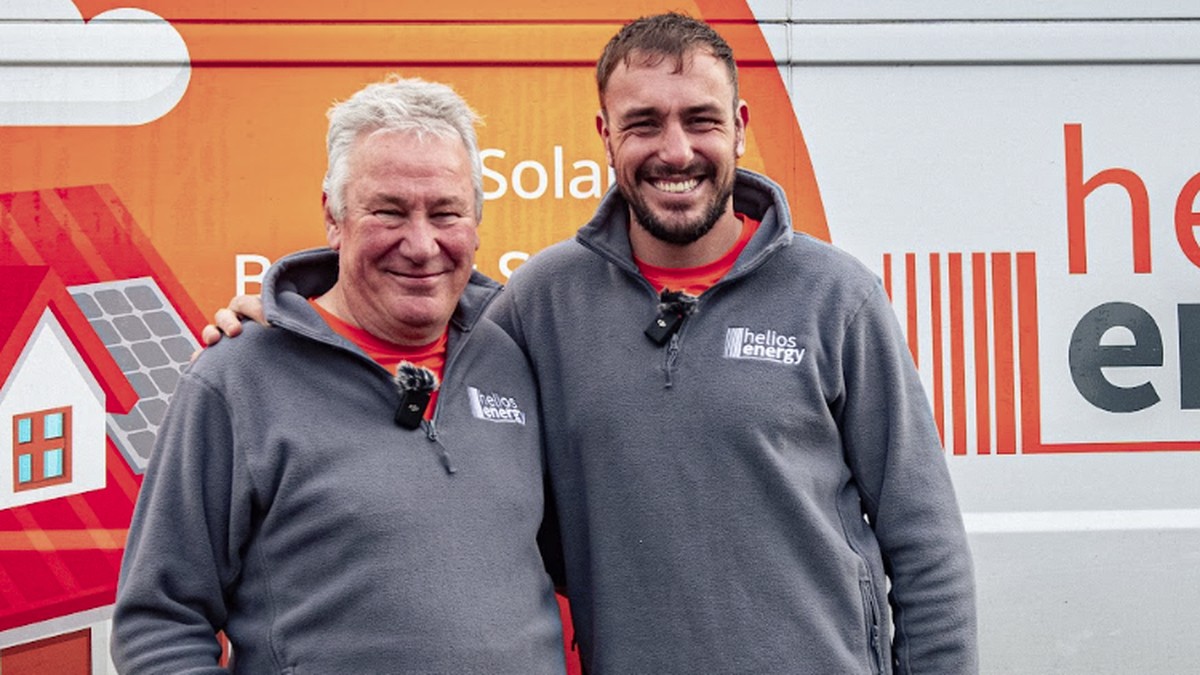
On trying AI ads and still ads before running video.
“"We've tried AI ads before, we've tried still ads. However the quality of the leads were very, very low. They were at the start of their buying process, they didn't really know much about solar, so we were attracting the wrong type of customers. Since we did the video ads, the customers who have inquired have seen what a solar system can do for you, and also what type of savings and revenue you can earn. With the video ads the customer gets to see and meet half the team before they've even called anyone. So I think video ads work really well for solar."
The shortcut is real, and it costs you on the other end. Cheap creative did not produce fewer leads, it produced the wrong leads: people at the very start of their thinking, who did not know what solar does or what it costs, and who take up a salesman's afternoon without ever being close to buying. The day you did not spend filming gets paid back with interest in wasted appointments.
Video moves people down the line before they ever contact you. They have watched somebody explain the thing, seen the work, and met half the team. By the time they fill in a form they are further along, and your sales team spends its day on people who are actually ready.
Then You Get To Hire
This is what it is really for. Not a busier week. A different shape of business.
Alliant set a target of keeping their existing salesmen at two appointments a day, morning and afternoon:
"Within a matter of days, not even weeks, you fulfilled the targets we asked of you. And like I said, we are employing or looking for more sales guys to keep up with the demand."
Note the direction that runs in. They are not hiring and hoping the work appears. The work appears, reliably enough to put a wage against, and the hire follows. You cannot do that on referrals, because you cannot promise a new salesman a diary that word of mouth might or might not fill.
That is what an owner buys with a day of filming. Not leads. The ability to stop being the bottleneck.
Where It Goes From Here
The same owner, asked where he wants to take the company next.
“"We are looking to expand and grow our team to 100 appointments a week. We've seen it go from zero appointments to 10 appointments a week, so our next step is going from 10 appointments to 100 appointments a week. We've seen the system works, we've seen the success of it, so why not."
That is not optimism. It is somebody who has watched a system produce a predictable number and has decided the number is a dial rather than a ceiling. The confidence comes from having built the thing that produces the number.
WHAT IS IMPORTANT FOR YOU
- Relying on referrals is why you stay the same size. Doing the work is always easier than building the thing that brings the work, which is exactly why most installers never build it.
- Referrals can only bring you more of the same. Word of mouth travels along the edge of work you have already done. It cannot reach the customers you have never met.
- Skipping the shoot costs more than the day. AI and still ads brought Alliant the wrong buyers, and wrong buyers eat your sales team's diary.
- Build the system before the volume, not after. Being scared of it working is fair. Leads with nowhere to land turn into a mess.
- The point is the hire, not the leads. Predictable appointments are what let you put a wage against a salesman and stop being the bottleneck yourself.
- You build it once. Alliant gave up a day and a few weeks of setup, and went from five or six appointments a month to fifty or sixty.


Satisfied Contracting and Trades Businesses